
Secrecy and Elegance: The Timeless Allure of 18th-Century Private Libraries and Modern High-Security Estates

The 18th century was a remarkable period characterized by a distinct emphasis on privacy and discretion, particularly among the elite classes who occupied the upper echelons of society. For these individuals, maintaining a level of confidentiality was not merely a matter of personal preference; it was an absolute necessity dictated by the social and political climates of the time. The architectural landscape of this era featured private libraries and hidden salons, which were meticulously designed within the grand estates of the wealthy. These spaces served as sanctuaries where sensitive conversations could unfold without the prying eyes and ears of the outside world, as well as where valuable collections of literature, art, and artifacts could be safeguarded from theft or unwanted attention.
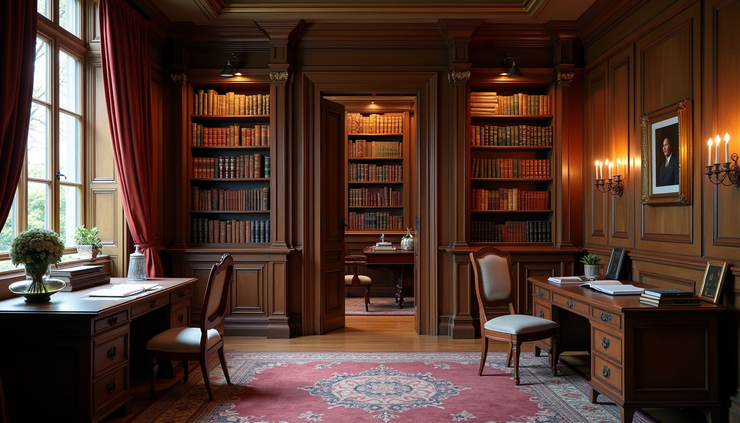
These private libraries and salons were not just functional spaces; they were masterpieces of architectural ingenuity and refined aesthetics. The design of these environments often incorporated intricate woodwork, plush furnishings, and exquisite decor that reflected the tastes and status of their owners. Many of these spaces were equipped with concealed entrances, soundproofing features, and strategic layouts that ensured confidentiality was maintained at all times. The careful curation of books and art within these libraries and salons not only showcased the wealth and sophistication of the elite but also served as a means of intellectual and cultural exchange among a select circle of individuals. The atmosphere within these spaces was one of exclusivity and comfort, allowing for the free flow of ideas and discussions about politics, philosophy, and the arts, all shielded from the scrutiny of the broader society.
In contemporary times, the principles that underpinned the design of these historic retreats continue to inspire the architecture of modern high-security private estates, particularly in affluent cities such as Zürich, Munich, and Luxembourg. In these urban environments, where old money and heritage are deeply valued, the need for privacy remains paramount. Today’s estate designs often draw upon the aesthetic and functional elements of the 18th-century salons and libraries, incorporating advanced security measures while maintaining an air of elegance and sophistication. Features such as gated entrances, surveillance systems, and secure storage areas for valuable collections are seamlessly integrated into the architectural fabric of these modern residences, ensuring that the legacy of discretion and privacy continues to thrive.
This essay will delve into the architectural and design strategies employed in 18th-century private libraries and salons that ensured a high level of secrecy and confidentiality. It will examine how these historical concepts have been adapted and transformed to meet contemporary estate privacy needs, reflecting on the cultural significance of these spaces for the old-money demographic. By connecting the archival aesthetics of the past with the modern imperatives of security and privacy, we can gain a deeper understanding of how the values of discretion and exclusivity have endured through the ages, influencing both design and lifestyle choices in today’s elite circles.
The Architecture of Secrecy in the 18th Century
In the 1700s, private libraries and salons were more than just rooms; they were sanctuaries of knowledge and power. The elite used these spaces to conduct confidential discussions, safeguard rare manuscripts, and entertain select guests away from prying eyes.
Hidden Entrances and Secret Passages

One of the most striking features of these estates was the use of concealed doors and secret passages. Bookshelves often doubled as doors, sliding silently to reveal hidden chambers. These architectural tricks were not mere curiosities but practical solutions to maintain privacy.
Bookshelf doors disguised as part of the library’s collection
False walls creating labyrinthine corridors
Trapdoors leading to underground rooms or escape routes
These elements ensured that only trusted individuals could access sensitive areas, protecting both information and people.
Soundproofing and Spatial Layout
The layout of private salons was carefully planned to minimize sound leakage. Thick walls, heavy draperies, and layered paneling absorbed noise, allowing conversations to remain confidential. Rooms were often positioned away from main traffic areas, sometimes in basements or upper floors, to reduce the risk of accidental intrusion.
Materials and Craftsmanship
The choice of materials played a key role in both aesthetics and security. Dense hardwoods, such as oak and mahogany, were favored for their durability and soundproof qualities. Intricate woodwork and iron fittings not only enhanced beauty but also reinforced doors and windows against forced entry.
The Role of Private Libraries and Salons in Old-Money Culture
For families in Zürich, Munich, and Luxembourg, these spaces symbolized more than privacy; they represented status, intellect, and tradition. The private library was a reflection of the owner’s education and refinement, while the salon was a place to cultivate alliances and influence.
Intellectual Sanctuaries
Private libraries housed rare books, manuscripts, and personal archives. They were curated with care, often including works in multiple languages and subjects ranging from philosophy to natural sciences. These collections were a source of pride and a tangible link to heritage.
Social Hubs with Discretion
Salons served as venues for discreet gatherings. Unlike public ballrooms or drawing rooms, these spaces allowed for intimate conversations among trusted guests. Discussions could range from politics to business, conducted away from public scrutiny.
Translating 18th-Century Principles into Modern High-Security Estates
Modern estates continue to embrace the values of privacy and exclusivity, but with updated technology and design approaches. The lessons from 18th-century architecture inform how contemporary private spaces are engineered for confidentiality.
Integrating Technology with Tradition

While secret passages are less common today, modern estates use advanced security systems that echo the principle of controlled access:
Biometric locks replacing traditional keys
Soundproof rooms using modern acoustic materials
Surveillance systems discreetly integrated into the architecture
These technologies maintain the spirit of secrecy while enhancing protection against modern threats.
Architectural Design for Privacy
Contemporary architects design estates with layered privacy zones. Public areas are separated from private quarters by transitional spaces, such as galleries or antechambers, reducing noise and visual intrusion.
Landscaping creates natural barriers and visual screens
Window placement minimizes sightlines from neighbors or passersby
Use of heavy materials for walls and doors to improve sound insulation
Preserving Aesthetic Heritage
Many modern estates incorporate archival aesthetics to honor tradition. This includes:
Classic wood paneling and built-in bookcases reminiscent of 18th-century libraries
Period-appropriate furniture and decorative elements
Use of muted color palettes and natural materials
This blend of old and new appeals to the old-money demographic, who value continuity and heritage.
Practical Examples from high revenue societies
Several estates in these cities exemplify the fusion of historical privacy concepts with modern security.
Zürich: The Hidden Study
A private estate in Zürich features a study concealed behind a rotating bookshelf. The room is equipped with soundproofing and biometric access. The design respects the city’s architectural heritage while providing a secure retreat for confidential meetings.
Munich: The Discreet Salon
In Munich, a renovated villa includes a hidden salon accessed through a panel in the dining room. The space uses layered walls and acoustic treatments to ensure privacy. Antique furnishings complement the modern security features, creating a seamless blend of past and present.
Luxembourg: The Secure Archive
A Luxembourg estate houses a private archive room with reinforced walls and climate control. The entrance is disguised as a decorative wall panel. This room safeguards valuable family documents and rare books, reflecting the importance of heritage preservation.
Why Privacy Matters to Old-Money Estates Today
For families with long-standing wealth, privacy is not just about security but about preserving a way of life. Confidentiality protects family affairs, business dealings, and personal relationships. It also maintains the exclusivity that defines old-money culture.
Protecting Legacy and Discretion
Privacy allows families to manage their legacy without external interference. It supports discreet philanthropy, private negotiations, and the safeguarding of sensitive information.
Creating Personal Sanctuaries
High-security private spaces offer refuge from public attention. They provide environments where family members can relax, work, or entertain without concern for intrusion.
Final Thoughts on Secrecy and Elegance

The design of 18th-century private libraries and salons reveals a deep understanding of privacy that remains relevant today. Modern estates in Zürich, Munich, and Luxembourg continue to draw on these principles, combining architectural elegance with advanced security to meet the needs of old-money families.
By blending archival aesthetics with contemporary technology, these estates create spaces that honor tradition while protecting confidentiality. For those who value heritage and discretion, this approach offers a timeless model for private living.
If you are considering designing or renovating a private estate, reflect on how historical principles of secrecy can inform your project. Thoughtful architecture and design can create spaces that are both beautiful and secure, preserving your privacy and legacy for generations to come.
Comments